Garage Door Repair Without Damage: Essential Guide for Safe and Effective Fixes in 2026
Introduction to Garage Door Repair Without Damage
Repairing your garage door gold coast garage doors carefully and correctly can prevent costly damage and prolong its lifespan. Knowing how to handle common issues with the right tools, safety inspections, and precise adjustments is key to avoiding dents, misalignment, or component failure. Whether you are a DIY enthusiast or a homeowner seeking the best practices, understanding safe garage door fixes helps ensure your repairs do not cause more harm than good.
Safe garage door repair involves damage prevention techniques such as careful tension management, track cleaning, sensor calibration, and professional-grade lubrication. By following expert advice and prioritising safety, you maintain the door's structural integrity and reliable operation.
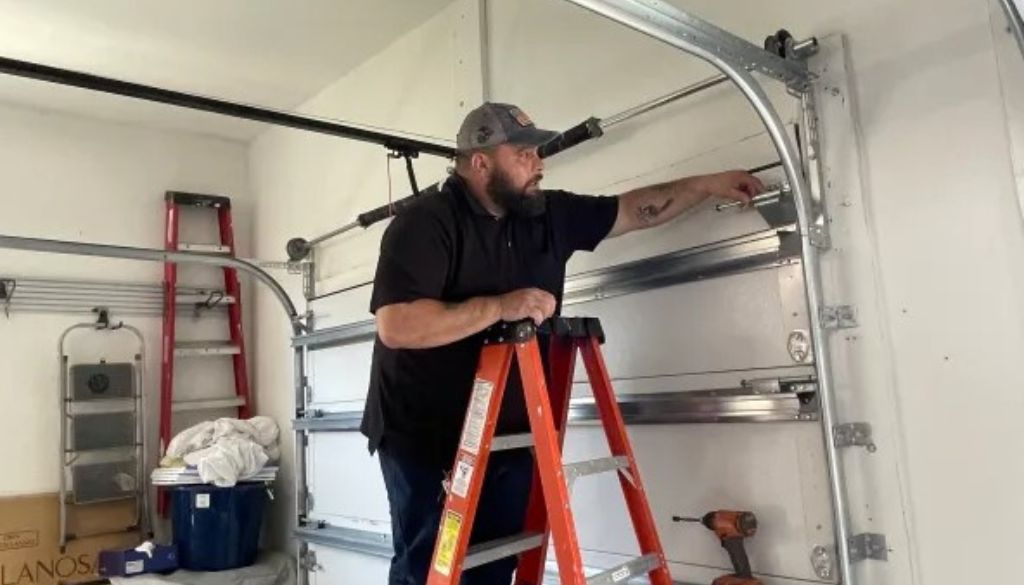
Common Garage Door Problems That Can Cause Damage
Several typical garage door issues, if left untreated or handled improperly, can escalate into significant damage. Recognising these problems early allows for timely intervention that avoids further complications.
Signs Your Garage Door Needs Repair
- Unusual Noises: Grinding, squeaking, or banging sounds often indicate worn rollers, loose hardware, or spring tension problems.
- Sticking Door: A garage door that sticks or jerks during movement likely has misaligned tracks or damaged rollers requiring adjustment.
- Slow Operation: Delayed opening or closing may result from motor issues, faulty sensors, or lack of lubrication.
Common causes include broken springs, cable frays, roller malfunction, and opener faults. Each issue demands specific repair methods to avoid damaging cables, panels, or the motor system.
Essential Tools and Safety Precautions for Damage-Free Repair
Before attempting any repair, conducting a thorough safety inspection is paramount. Proper equipment and awareness reduce risks of injury and accidental damage to the door.
- Protective Gear: Use gloves, safety glasses, and sturdy footwear to protect against springs snapping, metal edges, and debris.
- Emergency Release & Manual Override: Familiarise yourself with the door’s emergency release mechanism to safely disengage the opener if necessary.
- Proper Tools: Essential tools include winding bars for spring tension, adjustable wrenches, screwdrivers, lubricant spray, and ladder.
- Power Off: Always disconnect the garage door opener motor before starting repairs to prevent accidental activation.
Following these precautions aids in damage prevention and ensures a safe repair process every time.
Our Sponsor
A1 Garage Doors Gold Coast
A1 Garage Doors Gold Coast is a Bundall-based garage door specialist serving the southern Gold Coast and surrounding suburbs with installation, repair, maintenance, and emergency garage door services. The company specializes in sectional doors, roller doors, garage door openers, spring and cable replacement, opener motor repair, smart-enabled installations, and 24/7 emergency call-outs across Robina, Burleigh Heads, Surfers Paradise, Nerang, Coomera, and the wider Gold Coast region.
Address:
1 Waterford Court,
Bundall,
QLD
4217,
Australia
Phone: (07) 5515 0277
Business Hours:
- Open 24/7 — Including After-Hours and Emergency Call-Outs
Follow Us:
Step-by-Step Guide to Repairing Your Garage Door Without Causing Damage
This stepwise approach highlights safe handling strategies for common repair tasks such as door calibration, spring replacement, and opener servicing.
Aligning Garage Door Tracks Safely
- Begin by cleaning the tracks thoroughly to remove dirt, rust, and debris which hinder smooth movement.
- Check track alignment using a level; misaligned tracks cause door sticking and increase wear on rollers.
- Adjust the chain or belt tension on the opener according to manufacturer instructions to maintain balanced movement.
- Tighten loose bolts but avoid over-tightening which may warp the track or brackets.
Spring Replacement Techniques Without Damage
- Identify the type of spring installed (torsion or extension) to choose the correct replacement method.
- Use designated winding cones and bars to manage spring tension safely—never substitute with makeshift tools.
- Release spring tension gradually before removal to prevent sudden snaps that damage door components.
- When installing new springs, ensure correct tension calibration for balanced door lifting without strain.
Opener Servicing and Remote Programming
- Disconnect power before inspecting the motor and wiring connections to prevent electric shocks and damage.
- Clean and lubricate moving parts within the opener mechanism to reduce noise and friction.
- Reset the opener system if it malfunctions, following the user manual's reset procedures.
- Install or reprogram remote keypads carefully, following manufacturer guidelines to avoid control errors.
Maintenance Tips to Prevent Future Damage
Routine maintenance plays a vital role in avoiding major repairs and sustaining optimal garage door performance.
Regular Lubrication and Noise Reduction Techniques
- Apply silicone-based lubricants to rollers, hinges, springs, and tracks at least twice a year to minimise metal-on-metal noise and wear.
- Avoid using grease or oil that attract dust and cause buildup, resulting in sticking parts.
Sensor Realignment and Photo Eye Calibration
- Clean sensor lenses regularly to prevent false obstructions and safety interruptions.
- Ensure sensors face each other directly and adjust their alignment if the door reverses unexpectedly.
- Test photo eyes monthly to confirm accurate functioning and safety compliance.
Other maintenance actions include corrosion prevention through protective finishes, weather sealing to guard against moisture damage, and timely hardware replacement of worn bolts and rollers.
When to Call Professional Garage Door Services
Despite DIY efforts, some repairs require professional expertise to avoid further damage or safety hazards.
- If you encounter complex tasks such as spring wound replacement or motor rewiring, consult certified technicians equipped with specialised tools.
- For damage assessment of dented panels, structural frame issues, or electrical malfunctions, professionals provide accurate diagnostics and repair solutions.
- Emergency releases and quick fix situations involving cable breaks or door derailment should be addressed promptly by experts.
- Regular professional safety inspections help identify potential risks before they develop into costly failures.
Additional Tips for Surface and Structural Care
Beyond mechanical repairs, maintaining your garage door's appearance and structural integrity helps retain property value and door durability.
- Dent Removal: Use rubber mallets or specialised kits for minor dent repairs to prevent rust formation.
- Paint Touch-Up: Apply matching paint promptly to areas where the finish has chipped or scratched to protect metal surfaces.
- Frame Checking: Inspect door frames for cracks or warping and repair or replace affected sections as needed.
- Panel Restoration: Clean and refinish panels to remove stains and weather damage, extending life span.
- Surface Refinishing: Regularly apply sealants or protective coatings to prevent corrosion and fading caused by environmental exposure.
Frequently Asked Questions About Garage Door Repair Without Damage
How can I repair my garage door without causing damage?
Use the right tools, follow manufacturer instructions, perform safety inspections before starting, and handle components like springs and cables gently. Avoid forcing parts and maintain proper lubrication and alignment throughout the repair.
What safety precautions should I take when fixing garage doors?
Wear protective gear, disconnect power sources, use appropriate tools for tension management, understand the emergency release features, and work slowly with controlled adjustments to prevent accidents and damage.
When is it better to call a professional rather than attempt DIY repair?
If the repair involves high-tension springs, electrical components, extensive door panel damage, or if you feel unsure about your skills, it is safer and more effective to hire certified garage door technicians.
How often should I service my garage door to prevent damage?
A biannual maintenance schedule—including lubrication, inspection, and minor adjustments—is recommended. Additionally, schedule professional inspections annually for comprehensive safety checks.
What tools do I need for safe garage door repair?
Basic tools include winding bars, adjustable wrenches, screwdrivers, lubricant spray, ladders, pliers, and protective gear like gloves and safety glasses.
Can I replace garage door springs without damaging the door?
Yes, but only if you follow strict safety protocols, use the correct winding bars, release tension carefully, and calibrate new springs properly. Otherwise, professional assistance is advised to avoid serious damage or injury.
How do I know if my garage door opener needs professional servicing?
Signs include unusual noises, inconsistent operation, failure to respond to remotes or keypad commands, and visible wear on wiring or motor components.
What are the risks of improper garage door repair?
Risks include permanent door damage, unsafe operation leading to injury, voided warranties, higher future repair costs, and security vulnerabilities.
How do I lubricate my garage door correctly?
Use a silicone-based spray lubricant on rollers, hinges, springs, and tracks. Avoid heavy oils or grease that attract dust. Apply sparingly and wipe off excess to maintain cleanliness.
What steps can I take to reduce noise without harming garage door components?
Regular lubrication, tightening loose hardware, replacing worn rollers with nylon-coated ones, and ensuring proper alignment reduce noise while protecting your door’s parts.
In conclusion, repairing your garage door without causing damage requires careful attention to detail, the right tools, safety-first approaches, and regular maintenance. While many minor repairs can be done by homeowners, recognising when to engage professional services ensures lasting, safe operation. Adopting these best practices will extend your garage door’s lifespan, enhance your home’s security, and provide peace of mind in daily use. Start with a thorough inspection today and take proactive steps towards damage-free garage door care!